 EN
EN
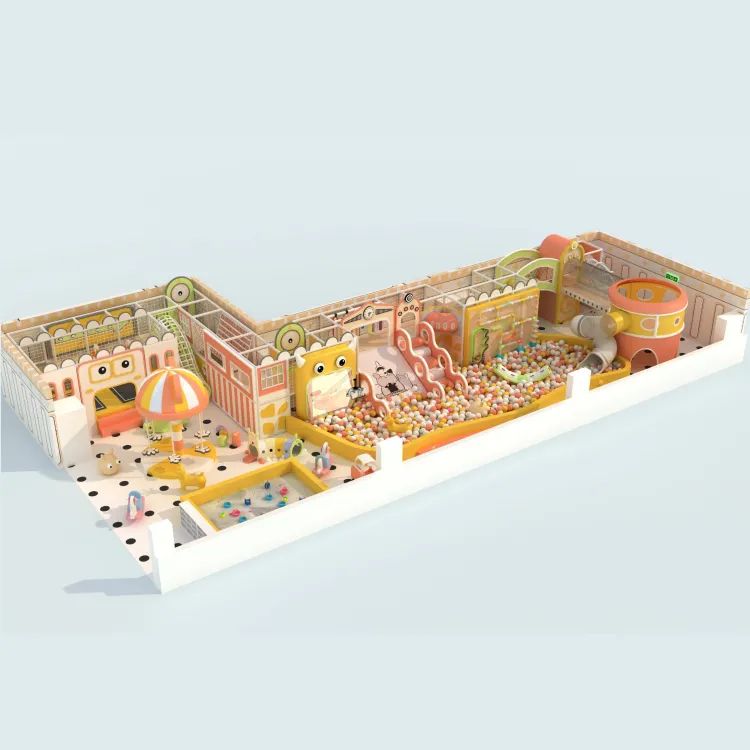
Creating a successful indoor play space requires careful planning and strategic selection of the right components. The process of choosing indoor playground equipment involves understanding your target audience, space constraints, safety requirements, and budget considerations. Modern facilities must balance engaging play experiences with operational efficiency and long-term durability. Whether you're establishing a new entertainment venue or upgrading an existing facility, the equipment you select will directly impact customer satisfaction, safety compliance, and business profitability.
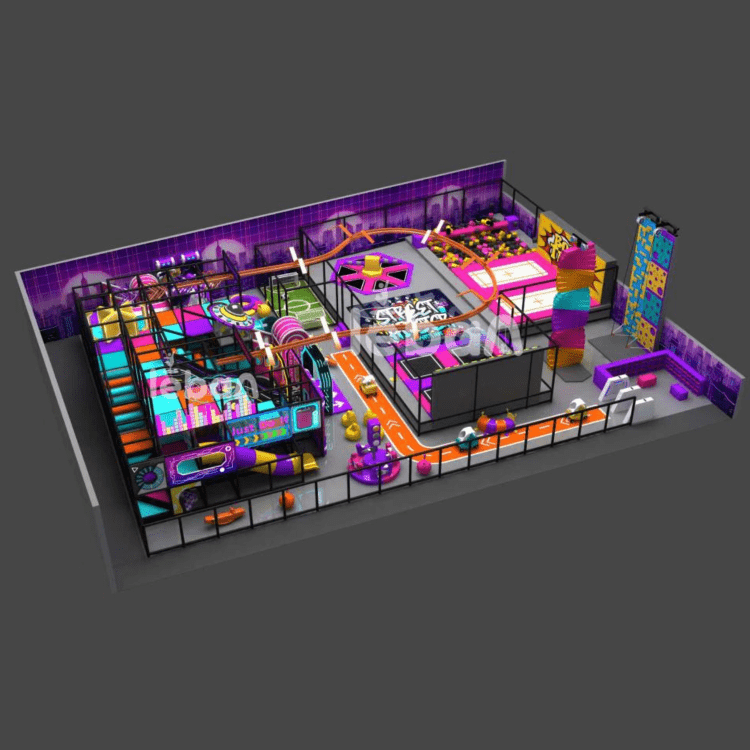
Understanding Your Space Requirements and Demographics
Analyzing Available Floor Space and Ceiling Height
The physical dimensions of your venue fundamentally determine which types of indoor playground equipment you can accommodate. Ceiling heights dictate whether you can install multi-level climbing structures, tall slides, or suspended elements. Floor space calculations must account for both the equipment footprint and necessary safety zones around each component. Professional space planning ensures optimal traffic flow and maximizes the play value within your available square footage.
Consider the structural load-bearing capacity of your building when selecting heavier indoor playground equipment pieces. Some installations require additional floor reinforcement or specialized anchoring systems. Factor in accessibility requirements, emergency egress paths, and maintenance access when planning your layout. The relationship between equipment placement and sightlines affects supervision efficiency and overall safety management.
Identifying Your Target Age Groups
Different age demographics require distinctly different play experiences and safety considerations. Toddler areas need lower structures with appropriate fall heights, while older children seek more challenging climbing and adventure elements. Indoor playground equipment manufacturers typically categorize products by age ranges, with specific design features suited to developmental stages and physical capabilities.
Mixed-age facilities require careful zoning and equipment selection to prevent conflicts between different user groups. Consider incorporating separate areas or time-based scheduling to maximize safety and enjoyment. The proportion of equipment dedicated to each age group should reflect your expected customer demographics and business model objectives.
Safety Standards and Compliance Requirements
Understanding International Safety Certifications
Indoor playground equipment must meet stringent safety standards established by organizations such as ASTM International, EN Standards, and other regional regulatory bodies. These standards cover material specifications, structural integrity, fall zones, and age-appropriate design parameters. Compliance certificates from accredited testing laboratories provide essential documentation for insurance coverage and regulatory approval.
Regular safety inspections and maintenance protocols are mandatory for commercial installations. Establish relationships with certified inspectors and maintain detailed maintenance records. The total cost of ownership includes ongoing compliance activities, not just initial equipment purchase and installation expenses.
Material Quality and Durability Standards
Commercial-grade indoor playground equipment requires materials that withstand intensive daily use while maintaining safety and appearance standards. High-density polyethylene, powder-coated steel, and commercial vinyl components offer superior durability compared to residential-grade alternatives. UV-resistant materials prevent color fading and degradation even in indoor environments with significant natural lighting.
Antimicrobial treatments and easy-to-clean surfaces have become increasingly important considerations. Select materials that support efficient sanitization protocols without compromising structural integrity or user safety. The initial investment in higher-quality materials typically results in lower long-term maintenance costs and extended equipment lifespan.
Equipment Categories and Selection Criteria
Active Play Structures and Climbing Elements
Multi-level climbing structures form the centerpiece of most indoor playground installations. These complex systems combine slides, tunnels, climbing walls, and interactive elements into cohesive play experiences. When evaluating indoor playground equipment options, consider the progressive difficulty levels and variety of play challenges offered within each structure.
Modular designs provide flexibility for future expansion or reconfiguration as your business evolves. Component-based systems allow you to customize the play experience while maintaining consistent safety standards and aesthetic appeal. Consider the maintenance requirements and replacement part availability for complex multi-component structures.
Interactive climbing walls with LED lighting, sound effects, or timing systems add technological engagement to traditional climbing experiences. These enhanced features can differentiate your facility from competitors while providing measurable play metrics and repeat visit incentives.
Soft Play and Sensory Elements
Soft play components serve essential functions for younger children and mixed-age environments. Ball pits, foam blocks, and padded climbing elements provide safe exploration opportunities for developing motor skills. High-quality foam inserts and replaceable covers ensure hygiene standards while maintaining the tactile play experience.
Sensory play elements including textured surfaces, musical components, and visual stimulation features support developmental play objectives. These specialized indoor playground equipment pieces often serve therapeutic functions and can attract families with special needs children. Consider the educational value and developmental benefits when selecting sensory-focused equipment.
Technology Integration and Interactive Features
Digital Gaming and Projection Systems
Modern indoor playground equipment increasingly incorporates digital technology to enhance traditional play experiences. Interactive projection systems can transform floors and walls into gaming surfaces that respond to movement and touch. These systems offer virtually unlimited content possibilities and can be updated with new games and challenges.
Augmented reality features and mobile app integration create connected play experiences that extend beyond the physical visit. Consider the technical support requirements and content licensing costs associated with digital indoor playground equipment. Regular software updates and technical maintenance become part of your operational responsibilities.
Gamification and Tracking Systems
RFID wristbands and scoring systems can gamify the play experience while providing valuable customer data and engagement metrics. These systems track activity levels, preferred equipment usage, and visit patterns that inform business decisions and marketing strategies. The data collected helps optimize equipment placement and identify popular features.
Leaderboards, achievement badges, and social sharing features encourage repeat visits and word-of-mouth marketing. Consider privacy regulations and parental consent requirements when implementing tracking technologies in your indoor playground equipment systems.
Budget Planning and Financial Considerations
Initial Investment and Installation Costs
Indoor playground equipment represents a significant capital investment that requires careful financial planning and realistic budget expectations. Equipment costs vary widely based on complexity, customization levels, and manufacturer reputation. Installation expenses often equal or exceed equipment costs, particularly for complex multi-level structures requiring specialized assembly techniques.
Factor in site preparation costs including flooring systems, electrical work, and structural modifications. Safety surfacing materials such as poured-in-place rubber or foam tiles represent substantial additional investments. Professional installation ensures warranty compliance and optimal safety performance.
Long-term Operating and Maintenance Expenses
The total cost of ownership extends far beyond initial purchase and installation expenses. Regular maintenance, safety inspections, and eventual component replacement must be factored into your financial projections. Higher-quality indoor playground equipment typically offers better long-term value despite higher upfront costs.
Insurance premiums, staff training costs, and regulatory compliance expenses are ongoing operational requirements. Establish relationships with qualified maintenance providers and budget for unexpected repairs or safety-related modifications. Equipment warranties and service agreements can help predict and control these long-term costs.
Vendor Selection and Partnership Considerations
Evaluating Manufacturer Reputation and Support
Selecting the right indoor playground equipment manufacturer involves evaluating their track record, financial stability, and ongoing support capabilities. Established manufacturers with extensive installation portfolios demonstrate proven expertise and reliability. Request references from similar facilities and conduct site visits to evaluate equipment performance over time.
Technical support availability, warranty terms, and replacement part accessibility significantly impact long-term satisfaction. Manufacturers with local service networks provide faster response times and lower service costs. Consider the company's commitment to product development and their ability to provide future upgrades or expansions.
Customization Options and Design Services
Many indoor playground equipment suppliers offer design services and customization options to create unique play environments that reflect your brand identity. Custom theming, color schemes, and branded elements help differentiate your facility and create memorable experiences. Professional design services ensure optimal space utilization and traffic flow patterns.
3D rendering and virtual reality previews allow you to visualize the completed installation before making final commitments. These tools help identify potential issues and optimize the layout for both safety and operational efficiency. Consider the additional costs and timeline implications of custom design work.
Installation Process and Timeline Management
Project Planning and Site Preparation
Successful indoor playground equipment installation requires detailed project planning and coordination with multiple contractors. Site preparation work including flooring, electrical, and structural modifications must be completed before equipment delivery. Proper sequencing prevents delays and ensures optimal installation conditions.
Permitting processes and inspection requirements vary by jurisdiction and can significantly impact project timelines. Work with experienced contractors familiar with local codes and approval processes. Factor in potential delays and have contingency plans for common installation challenges.
Quality Control and Final Inspections
Independent safety inspections verify that your indoor playground equipment installation meets all applicable standards and manufacturer specifications. Document all inspection results and maintain records for insurance and regulatory compliance. Address any identified issues promptly to ensure safe operation from opening day.
Staff training on equipment operation, safety procedures, and emergency protocols should begin before opening to the public. Comprehensive training programs ensure consistent safety management and help staff provide excellent customer service. Regular refresher training maintains high safety standards over time.
FAQ
What safety certifications should I look for when purchasing indoor playground equipment?
Look for certifications from recognized testing organizations such as ASTM International, TUV, or similar accredited bodies in your region. These certifications verify that the indoor playground equipment meets current safety standards for structural integrity, materials, and age-appropriate design. Always request current certification documents and verify their authenticity with the issuing organization.
How much space do I need for a commercial indoor playground?
Commercial indoor playground equipment typically requires a minimum of 2,000 to 3,000 square feet for a basic installation, with larger facilities offering 5,000 to 10,000 square feet or more. The space must accommodate not only the equipment but also safety zones, parent seating areas, and operational spaces. Ceiling heights should be at least 12 feet for most multi-level structures, with 14-16 feet preferred for larger installations.
What is the typical lifespan of commercial indoor playground equipment?
High-quality commercial indoor playground equipment can last 10-15 years or more with proper maintenance and care. The actual lifespan depends on usage intensity, maintenance quality, and environmental conditions. Components like climbing nets, slides, and foam elements may require replacement every 5-8 years, while structural steel components can last much longer with proper care.
How often should indoor playground equipment be inspected for safety?
Daily visual inspections should be conducted by trained staff, with more comprehensive weekly inspections checking for wear, damage, or safety concerns. Professional safety inspections by certified inspectors should occur monthly or quarterly depending on usage levels and local regulations. Annual comprehensive inspections by certified playground safety inspectors are typically required for insurance and regulatory compliance.
Table of Contents
- Understanding Your Space Requirements and Demographics
- Safety Standards and Compliance Requirements
- Equipment Categories and Selection Criteria
- Technology Integration and Interactive Features
- Budget Planning and Financial Considerations
- Vendor Selection and Partnership Considerations
- Installation Process and Timeline Management
- FAQ