
 EN
EN
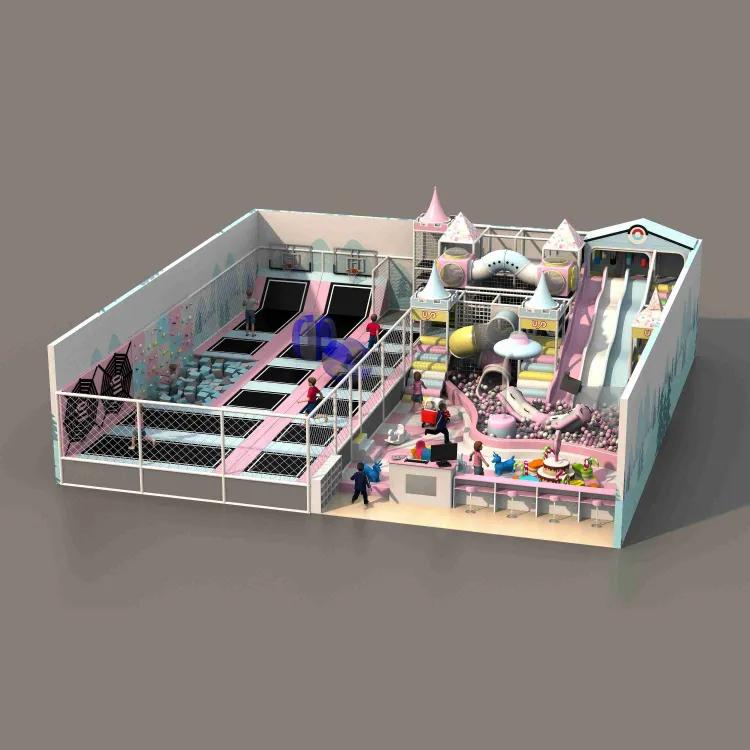
Safety considerations for recreational water activities have become increasingly important as families and organizations seek engaging outdoor entertainment options. An Inflatable Slip and Slide offers exciting water-based fun while requiring careful attention to proper setup, supervision, and maintenance protocols. Understanding comprehensive safety measures ensures participants can enjoy this popular attraction without unnecessary risks or accidents. Professional installation, regular inspection procedures, and adherence to manufacturer guidelines form the foundation of safe operation. These inflatable water features have gained tremendous popularity in residential backyards, community events, and commercial entertainment venues worldwide.

Pre-Installation Safety Assessment
Site Selection and Ground Preparation
Proper site selection represents the first critical step in establishing a safe environment for your Inflatable Slip and Slide. Choose a level area free from rocks, sticks, glass fragments, or other sharp objects that could puncture the inflatable material or cause injury to users. The selected location should provide adequate clearance on all sides, typically requiring at least six feet of buffer space around the perimeter. Inspect the ground surface thoroughly, removing any debris and filling in holes or depressions that could create uneven surfaces.
Ground preparation extends beyond simple debris removal to include consideration of drainage patterns and water runoff. Ensure the area slopes gently away from structures, landscaping, or areas where standing water could create slip hazards. Consider placing protective ground covers or tarps beneath the inflatable structure to provide additional puncture protection and easier cleanup procedures. Many professional installers recommend using specialized ground cloths designed specifically for inflatable attractions.
Structural Integrity Evaluation
Before each use, conduct a comprehensive inspection of your Inflatable Slip and Slide to identify potential safety concerns. Examine all seams, anchor points, and high-stress areas for signs of wear, damage, or deterioration. Pay particular attention to areas where users typically enter and exit, as these zones experience the highest levels of stress and abrasion. Look for small tears, worn patches, or weakened material that could expand under normal use conditions.
Document your inspection findings and maintain detailed records of any repairs or maintenance activities performed. This documentation proves valuable for warranty claims and helps establish patterns that might indicate systemic issues requiring professional attention. Regular photographic documentation of key structural elements can help track changes over time and support preventive maintenance scheduling decisions.
Water Supply and Drainage Management
Optimal Water Flow Configuration
Proper water management ensures both safety and optimal performance of your Inflatable Slip and Slide system. Establish consistent water flow rates that provide adequate lubrication without creating excessive pooling or dangerous current conditions. Most manufacturers specify recommended water pressure and flow rates based on the specific dimensions and design characteristics of their products. Monitor water temperature regularly, especially during hot weather conditions when surface temperatures can become uncomfortably warm.
Install appropriate water distribution systems that ensure even coverage across the entire sliding surface. Uneven water distribution creates dry spots that increase friction and potential for burns or abrasions. Consider using multiple water sources or distribution points for larger installations to maintain consistent moisture levels throughout the activity area. Professional-grade systems often incorporate automatic shut-off valves and pressure regulation equipment.
Drainage and Runoff Control
Effective drainage prevents water accumulation that could create slip hazards or damage surrounding property. Design your drainage system to channel water away from high-traffic areas while preventing erosion or flooding issues. Install appropriate drainage channels or collection systems around the perimeter of your Inflatable Slip and Slide to manage excess water flow. Consider local regulations regarding water discharge and runoff management requirements.
Regular maintenance of drainage systems prevents blockages that could lead to water backup or overflow conditions. Clear debris from drain channels and inspect collection areas for proper function before each use session. During extended use periods, monitor drainage performance and make adjustments as needed to maintain optimal water management throughout the activity period.
User Guidelines and Supervision Protocols
Age-Appropriate Usage Rules
Establishing clear age-based guidelines helps ensure appropriate use of your Inflatable Slip and Slide while minimizing injury risks. Most manufacturers provide specific weight and age recommendations based on structural design and safety testing results. Separate usage sessions for different age groups prevents size mismatches that could lead to collisions or unsafe interactions between participants of significantly different weights or heights.
Create clear signage indicating maximum occupancy limits, weight restrictions, and prohibited activities to help users understand safety expectations. Consider implementing bracelet or wristband systems to easily identify participants who have received safety briefings or belong to specific age groups. Many commercial operators use color-coded systems to manage different user categories throughout busy operating periods.
Active Supervision Requirements
Constant supervision by qualified adults ensures immediate response to safety concerns and helps enforce established usage rules. Position supervisors at key observation points where they can monitor entry areas, sliding surfaces, and exit zones simultaneously. Supervisors should receive training on emergency procedures, basic first aid, and specific safety protocols related to Inflatable Slip and Slide operations.
Develop rotation schedules for supervision staff to prevent fatigue-related attention lapses during extended operating periods. Provide supervisors with communication equipment, such as whistles or radios, to coordinate activities and respond quickly to emergency situations. Establish clear protocols for stopping activities when safety concerns arise or weather conditions deteriorate.
Equipment Maintenance and Inspection
Daily Inspection Procedures
Implement comprehensive daily inspection routines that address all critical safety components of your Inflatable Slip and Slide. Begin each day with a thorough visual examination of the entire structure, paying special attention to seams, anchor points, and high-wear areas. Test all inflation systems to ensure proper pressure levels and verify that safety equipment remains in good working condition. Check water supply connections for leaks, blockages, or pressure irregularities that could affect system performance.
Document inspection results using standardized checklists that cover all essential safety elements. This documentation helps identify developing problems before they become serious safety hazards and provides valuable maintenance scheduling information. Train multiple staff members in inspection procedures to ensure consistent standards and coverage during staff absences or schedule changes.
Preventive Maintenance Scheduling
Develop comprehensive preventive maintenance programs that address both routine care and long-term preservation of your Inflatable Slip and Slide investment. Schedule regular professional inspections by qualified technicians who can identify subtle signs of wear or damage that might escape routine daily checks. Plan seasonal maintenance activities, including thorough cleaning, repair work, and storage preparation based on usage patterns and environmental conditions.
Maintain detailed maintenance logs that track all service activities, parts replacements, and performance issues over time. This information proves invaluable for warranty claims and helps establish optimal maintenance intervals based on actual usage patterns. Consider partnering with certified service providers who specialize in inflatable attractions to ensure professional-quality maintenance and repair services.
Emergency Preparedness and Response
Emergency Action Planning
Comprehensive emergency action plans address various scenarios that could arise during Inflatable Slip and Slide operations. Develop specific procedures for medical emergencies, severe weather events, equipment failures, and evacuation situations. Ensure all supervisory staff receive training on emergency procedures and maintain current certifications in first aid and CPR. Post emergency contact information and procedures in clearly visible locations near the activity area.
Conduct regular emergency drills to test response procedures and identify areas needing improvement. These exercises help staff maintain readiness while revealing potential gaps in emergency preparedness planning. Coordinate with local emergency services to ensure they understand your facility layout and can respond effectively when needed. Maintain well-stocked first aid supplies and ensure designated staff members know their locations and contents.
Weather Monitoring and Response
Weather conditions significantly impact the safety of Inflatable Slip and Slide operations, requiring constant monitoring and rapid response capabilities. Establish clear criteria for suspending activities based on wind speeds, lightning proximity, temperature extremes, or precipitation levels. Install weather monitoring equipment or maintain access to reliable weather services that provide real-time updates and advance warnings of changing conditions.
Develop evacuation procedures that can be implemented quickly when severe weather approaches. Train staff to recognize dangerous weather signs and empower them to make immediate safety decisions without waiting for management approval. Consider investing in weather alert systems that provide automatic notifications of approaching severe weather conditions in your area.
FAQ
What is the recommended age range for using an Inflatable Slip and Slide safely
Most Inflatable Slip and Slide manufacturers recommend usage for children aged 5 and older, with adult supervision required for younger participants. Age recommendations vary based on specific product designs, with some models accommodating adults while others are designed exclusively for children. Always check manufacturer specifications and consider implementing separate usage times for different age groups to prevent size-related safety issues. Adult supervision remains essential regardless of participant age to ensure proper usage and immediate response to safety concerns.
How often should I inspect my Inflatable Slip and Slide for safety issues
Daily visual inspections should be conducted before each use session, focusing on structural integrity, anchor points, and water systems. Weekly detailed inspections should examine seams, high-wear areas, and safety equipment more thoroughly. Monthly professional inspections by qualified technicians help identify subtle damage or wear patterns that routine checks might miss. Seasonal comprehensive evaluations should include complete system testing and maintenance planning for optimal safety performance throughout the operating period.
What water temperature is safe for Inflatable Slip and Slide use
Water temperature should remain between 70-80 degrees Fahrenheit for optimal comfort and safety during Inflatable Slip and Slide activities. Temperatures above 85 degrees can cause discomfort or scalding, especially on sunny days when surface temperatures increase rapidly. Cold water below 65 degrees may cause hypothermia risks during extended use periods. Monitor water temperature regularly throughout the day and adjust flow rates or provide shade coverage to maintain safe temperature ranges for all participants.
How many people can safely use an Inflatable Slip and Slide simultaneously
Safe occupancy limits depend on the specific dimensions and design of your Inflatable Slip and Slide, with manufacturer recommendations typically ranging from 3-8 users simultaneously. Exceeding capacity limits increases collision risks and places excessive stress on the inflatable structure. Consider implementing timed usage sessions or rotation systems during busy periods to maintain safe occupancy levels. Always enforce manufacturer weight limits and ensure adequate spacing between users to prevent accidents during sliding activities.