
 EN
EN
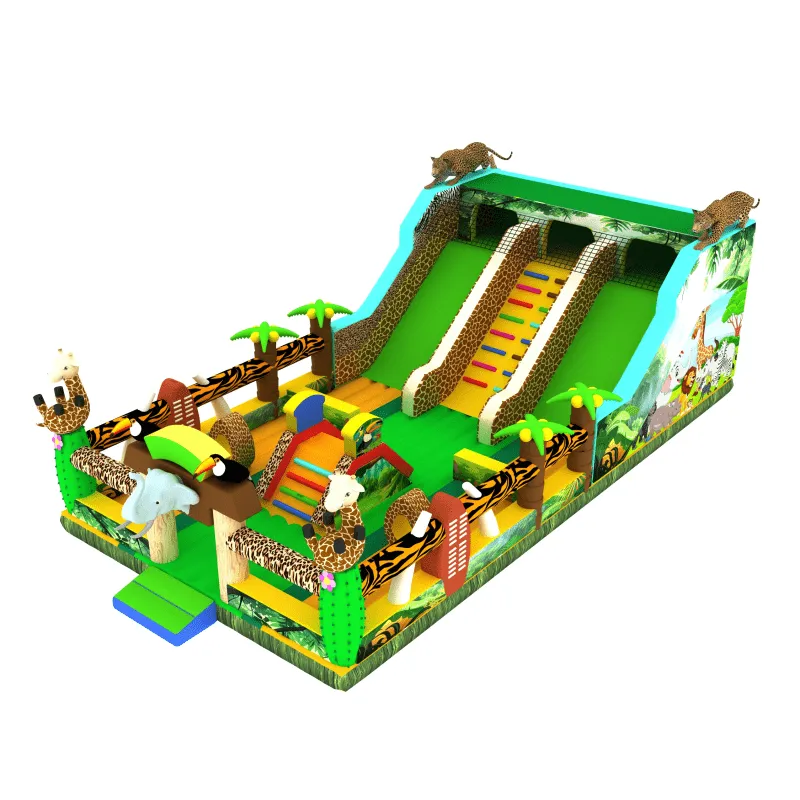
Summer entertainment reaches new heights when families invest in quality outdoor recreational equipment that transforms backyards into thrilling adventure zones. An inflatable slip and slide represents one of the most exciting additions to any outdoor space, offering hours of refreshing fun during hot weather months. These innovative water play structures combine the classic appeal of traditional slip and slides with modern inflatable technology, creating safer and more durable entertainment options for children and adults alike.
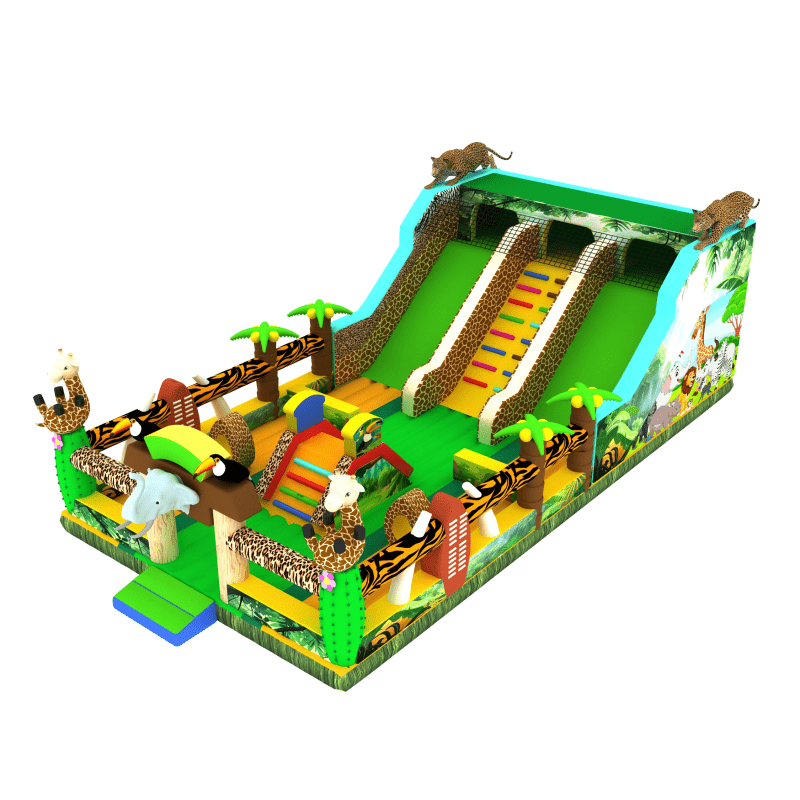
The growing popularity of backyard water attractions stems from their ability to provide resort-quality entertainment at home while encouraging physical activity and social interaction. Modern inflatable slip and slide designs incorporate advanced materials and engineering principles that enhance safety features while maximizing entertainment value. Understanding the various types, features, and considerations involved in selecting the perfect water slide ensures families make informed decisions that deliver years of reliable enjoyment.
Understanding Inflatable Slip and Slide Technology
Material Construction and Durability Features
Premium inflatable slip and slide constructions utilize heavy-duty PVC materials specifically engineered to withstand repeated use, UV exposure, and varying weather conditions. These specialized fabrics incorporate multiple layers of reinforcement at stress points, including seams, attachment points, and high-traffic sliding surfaces. The thickness of material directly impacts durability, with commercial-grade options featuring 0.6mm to 1.0mm thick PVC that resists punctures and tears during active play.
Advanced manufacturing techniques employ heat-welded seams rather than glued joints, creating stronger bonds that maintain structural integrity under pressure and movement. Double-stitched reinforcement zones provide additional security at critical connection points where inflatable chambers meet sliding surfaces. Quality control measures during production ensure consistent material thickness and proper seam alignment, resulting in products that maintain their shape and functionality over extended periods of regular use.
Inflation Systems and Structural Design
Modern inflatable slip and slide systems incorporate efficient air distribution networks that maintain optimal firmness across all sections while accommodating multiple users simultaneously. Internal air chamber designs feature strategic compartmentalization that prevents total deflation if one section experiences minor damage, ensuring continued safe operation during events. Rapid inflation capabilities allow setup completion within 10-15 minutes using standard electric blowers, making these attractions practical for spontaneous entertainment needs.
Structural engineering principles guide the placement of air chambers to create stable sliding surfaces that maintain proper angles for safe water flow and user momentum. Integrated anchor systems distribute weight loads evenly across ground contact points, preventing shifting or movement during active use. Professional-grade designs incorporate graduated thickness patterns that provide appropriate cushioning at landing zones while maintaining firm support along sliding pathways.
Size Categories and Space Requirements
Compact Residential Models
Residential inflatable slip and slide options typically measure between 15-25 feet in length, making them suitable for standard suburban backyards while providing adequate sliding distance for exciting entertainment. These compact designs accommodate 2-4 simultaneous users and require approximately 30x10 feet of clear ground space when accounting for safety zones and setup requirements. Height specifications generally range from 8-12 feet at the highest point, ensuring compatibility with most residential fence heights and overhead clearances.
Water consumption for residential models averages 2-4 gallons per minute during operation, making them economical choices for regular use without significantly impacting utility costs. Setup requirements include access to electrical outlets within 100 feet for blower operation and standard garden hose connections for continuous water flow. Storage considerations favor compact models that fold into manageable packages measuring approximately 3x2x2 feet when deflated and properly packed.
Commercial and Large-Scale Options
Large-scale inflatable slip and slide installations extend 40-100 feet or more, creating impressive attractions suitable for community events, rental businesses, and commercial entertainment facilities. These substantial structures accommodate 8-15 simultaneous users and require significant ground space measuring 120x25 feet or larger for safe operation and crowd management. Commercial models feature enhanced safety barriers, multiple sliding lanes, and integrated splash pools that enhance entertainment value while managing user flow efficiently.
Professional installations demand specialized equipment including high-capacity blowers rated at 1.5-3 horsepower for adequate inflation pressure and dedicated water supply systems capable of delivering 10-20 gallons per minute. Transportation and storage requirements necessitate commercial vehicles and warehouse facilities due to packed dimensions exceeding 6x4x4 feet and weights approaching 200-500 pounds depending on complexity and included accessories.
Safety Features and Considerations
Built-in Safety Mechanisms
Contemporary inflatable slip and slide designs prioritize user safety through integrated protective features including padded barriers, non-slip climbing surfaces, and controlled entry systems that prevent dangerous launching techniques. Side barriers extend 2-3 feet above sliding surfaces, preventing users from accidentally rolling off during descent while maintaining clear sight lines for supervision. Entry platforms incorporate textured surfaces and handholds that provide secure footing during climbing and positioning phases.
Splash zones feature graduated depth designs that dissipate momentum gradually while providing soft landing areas filled with sufficient water to cushion arrivals. Emergency drainage systems enable rapid water removal if immediate deflation becomes necessary for safety reasons. Reinforced anchor systems utilize heavy-duty stakes and sandbags that secure structures against wind loads and user-generated forces during active play sessions.
Age-Appropriate Design Elements
Manufacturers engineer different inflatable slip and slide configurations to accommodate specific age groups safely, with child-focused models featuring gentler slope angles, enhanced padding, and smaller scale proportions. Adult-capable designs incorporate steeper descent angles and extended sliding distances while maintaining safety margins appropriate for larger body weights and increased momentum. Weight capacity specifications clearly define maximum user limits ranging from 150 pounds for children's models to 300+ pounds for adult-rated structures.
Supervision requirements vary based on user ages and slide configurations, with younger children requiring constant adult oversight while older children and teenagers can operate safely with periodic monitoring. Clear usage guidelines provided by manufacturers specify appropriate user numbers, weight distributions, and prohibited activities that could compromise safety or damage equipment integrity during operation.
Water Systems and Flow Management
Continuous Flow Requirements
Optimal inflatable slip and slide performance depends on consistent water flow rates that create smooth sliding surfaces without excessive pooling or insufficient lubrication. Flow requirements typically range from 2-6 gallons per minute for residential models, increasing to 15-25 gallons per minute for commercial installations based on surface area and user capacity. Water distribution systems incorporate multiple spray nozzles and soaking zones strategically positioned to maintain uniform moisture coverage across sliding pathways.
Pressure regulation systems prevent excessive water force that could destabilize users during sliding while ensuring adequate coverage for safe operation. Integrated drainage features manage excess water accumulation and direct overflow away from sliding surfaces to prevent slipping hazards in surrounding areas. Recirculation capabilities in advanced models reduce water consumption while maintaining optimal sliding conditions through filtration and reuse systems.
Water Quality and Maintenance
Regular water quality monitoring ensures safe conditions for users while protecting inflatable slip and slide materials from chemical damage or contamination. Fresh water supply connections eliminate concerns about stagnant water development while providing continuous refreshment of sliding surfaces. Drainage protocols between use sessions prevent bacterial growth and maintain hygienic conditions for subsequent activities.
Chemical treatment requirements remain minimal for continuous-flow systems, though periodic sanitization may be necessary for recirculating models or extended use periods. Water temperature considerations affect user comfort and safety, with ideal ranges between 70-85 degrees Fahrenheit providing pleasant conditions without thermal shock during hot weather operation.
Installation and Setup Procedures
Site Preparation Requirements
Proper site preparation ensures safe and effective inflatable slip and slide installation while protecting both equipment and users from potential hazards. Ground surfaces require thorough inspection and clearing of debris, rocks, branches, or other sharp objects that could puncture inflatable materials or create safety risks. Level terrain provides optimal stability and proper water flow, though slight slopes can be accommodated with appropriate positioning and anchor adjustments.
Grass surfaces offer ideal installation conditions due to natural cushioning and drainage properties, while concrete or asphalt locations require protective underlayment to prevent abrasion damage. Overhead clearance assessments identify potential hazards including power lines, tree branches, or structures that could interfere with inflation or user safety during operation.
Equipment Setup and Testing
Systematic setup procedures begin with careful unpacking and component inspection to identify any shipping damage or missing accessories before inflation begins. Blower positioning requires consideration of electrical cord lengths, noise levels, and protection from water exposure during operation. Initial inflation should progress gradually while monitoring for proper shape development and identifying any irregularities in material expansion or seam integrity.
Water system connections require testing at low pressure initially to verify proper flow distribution and identify any leaks or blockages before full operation begins. Safety feature verification includes checking anchor security, barrier integrity, and entry platform stability before allowing user access. Pre-use inspections become routine procedures that ensure continued safe operation throughout extended use periods.
Maintenance and Longevity
Regular Care Protocols
Consistent maintenance practices significantly extend inflatable slip and slide service life while ensuring optimal performance and safety standards throughout ownership. Daily inspections during active use periods should identify wear patterns, potential damage, or performance issues that require immediate attention. Post-use cleaning procedures remove debris, chlorine residue, and organic matter that could degrade materials or create unsanitary conditions.
Proper drying techniques prevent mold and mildew development while protecting material integrity during storage periods. Complete deflation and folding according to manufacturer specifications minimize stress concentrations that could lead to premature failure. Storage environments should maintain moderate temperatures and humidity levels while protecting equipment from rodent access and UV exposure.
Repair and Restoration Techniques
Minor punctures and tears in inflatable slip and slide materials can often be repaired using manufacturer-supplied patch kits and appropriate adhesives designed for PVC applications. Proper repair procedures require thorough surface preparation, precise patch placement, and adequate curing time to ensure durable bonds that withstand operational stresses. Professional repair services may be necessary for extensive damage or critical seam failures that exceed owner repair capabilities.
Preventive maintenance schedules should include periodic professional inspections that identify potential issues before they result in operational failures or safety concerns. Component replacement programs ensure critical elements like anchor systems, water distribution networks, and safety barriers maintain peak performance throughout the equipment's service life.
Purchasing Considerations and Budget Planning
Cost Analysis and Value Assessment
Inflatable slip and slide pricing varies significantly based on size, features, materials quality, and intended applications, with residential models ranging from $300-1500 while commercial installations can exceed $5000-15000. Initial purchase costs should be evaluated against expected usage frequency, user capacity requirements, and long-term durability expectations to determine overall value propositions. Higher-quality models typically offer superior materials, enhanced safety features, and extended warranties that justify increased initial investments through improved longevity and reduced maintenance costs.
Operating expenses include electricity for blower operation, water consumption, and periodic maintenance supplies that contribute to total ownership costs. Rental options provide alternatives for occasional use situations where purchase costs cannot be justified through regular utilization. Insurance considerations may affect premium costs for residential or commercial properties depending on coverage requirements and liability concerns.
Vendor Selection and Quality Assurance
Reputable manufacturers provide comprehensive warranties, responsive customer support, and established service networks that ensure long-term satisfaction with inflatable slip and slide investments. Quality certifications from recognized testing organizations verify compliance with safety standards and material specifications that protect both users and purchasers. Customer review analysis provides valuable insights into real-world performance, durability, and satisfaction levels that supplement manufacturer claims.
Delivery and setup services offered by vendors can significantly reduce installation complexity while ensuring proper configuration for safe operation. Technical support availability becomes crucial for troubleshooting operational issues, maintenance guidance, and warranty claim processing throughout ownership periods.
Seasonal Usage and Storage
Optimal Operating Conditions
Peak inflatable slip and slide performance occurs during warm weather months when ambient temperatures exceed 70 degrees Fahrenheit and humidity levels support comfortable water play activities. Wind conditions significantly impact both setup feasibility and user safety, with operations typically suspended during sustained winds exceeding 15-20 mph. Weather monitoring becomes essential for planned events to ensure suitable conditions for safe operation and user enjoyment.
Extended seasonal use requires consideration of material expansion and contraction cycles that can affect seam integrity and anchor effectiveness over time. UV protection measures including strategic positioning and periodic rotation help prevent premature material degradation in high-sunlight environments. Temperature fluctuations throughout operating days may require inflation adjustments to maintain optimal firmness levels.
Off-Season Protection and Storage
Proper winter storage procedures protect inflatable slip and slide investments from environmental damage while preparing equipment for subsequent season activities. Complete cleaning and drying eliminate moisture and organic matter that could support mold growth or attract pest activity during storage periods. Climate-controlled storage environments provide ideal conditions, though properly prepared equipment can survive in unheated spaces with adequate protection from temperature extremes.
Inventory management systems track component locations and condition assessments that facilitate efficient setup procedures when operating seasons resume. Pre-season inspections identify any storage-related damage or deterioration that requires attention before safe operation can begin. Maintenance scheduling during off-seasons allows time for repairs and improvements without impacting available entertainment time.
FAQ
What is the typical lifespan of an inflatable slip and slide with regular use
Quality inflatable slip and slide units designed for residential use typically provide 5-8 years of reliable service with proper maintenance and care. Commercial-grade models can exceed 10-15 years when operated under professional maintenance programs and appropriate usage guidelines. Lifespan depends heavily on material quality, usage frequency, storage conditions, and adherence to recommended maintenance procedures throughout ownership periods.
How much space is required for safe inflatable slip and slide installation
Minimum space requirements include the slide footprint plus additional safety zones measuring 10-15 feet on all sides for user approach, supervision access, and emergency clearance. Residential models typically need 40x25 feet of clear, level ground while larger commercial units require 150x50 feet or more. Overhead clearance should exceed slide height by at least 10 feet to accommodate user trajectories and avoid contact with obstacles.
Can inflatable slip and slides operate safely on surfaces other than grass
While grass provides optimal conditions, inflatable slip and slides can operate safely on concrete, asphalt, or compacted earth surfaces with appropriate protective underlayment. Commercial-grade tarps or specialized padding materials prevent abrasion damage while providing adequate cushioning for user safety. Sand or gravel surfaces require additional preparation to eliminate sharp objects and create stable, level foundations for proper operation.
What maintenance is required during active use periods
Daily maintenance during use periods includes visual inspections for damage or wear, cleaning debris from sliding surfaces, and verifying proper inflation levels and water flow rates. Weekly deep cleaning removes accumulated dirt and organic matter while checking anchor security and safety barrier integrity. Monthly maintenance should include thorough material inspections, minor repair completion, and component lubrication as specified by manufacturer guidelines.