
 EN
EN
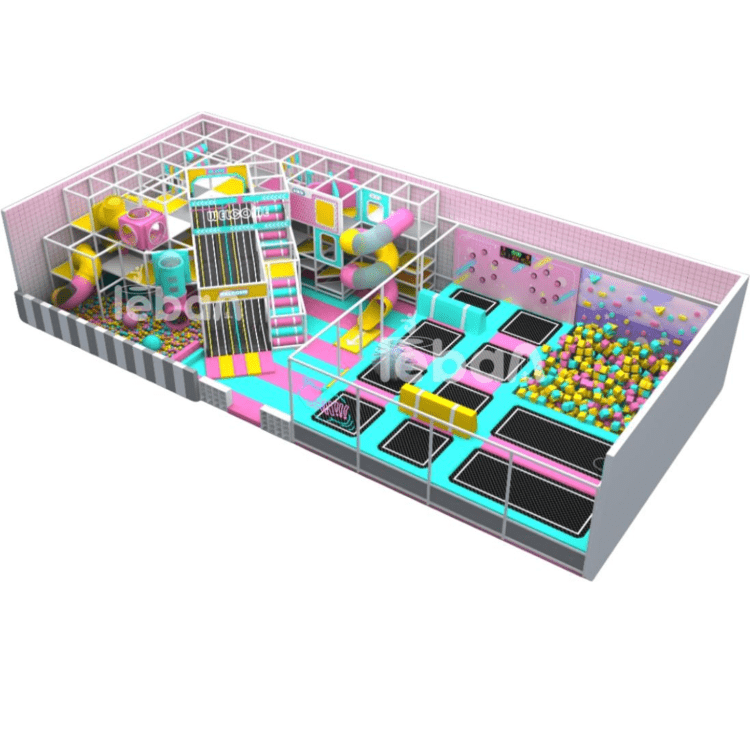
Maintaining indoor playground equipment is a critical responsibility that ensures children can play safely while extending the lifespan of your investment. Proper maintenance protocols not only protect young visitors from potential hazards but also help facility owners avoid costly repairs and liability issues. The complexity of modern playground structures, from climbing walls to interactive slides, requires systematic attention to detail and regular inspection schedules. Understanding the fundamentals of equipment care will help you create a safe, enjoyable environment that parents trust and children love to explore.
Essential Daily Maintenance Procedures
Visual Safety Inspections
Every morning before opening your facility, conduct a thorough visual examination of all playground components. Look for loose bolts, cracked plastic surfaces, torn padding, or any signs of wear that could pose safety risks. Pay special attention to high-traffic areas such as slides, climbing structures, and entrance points where damage typically occurs first. Document any concerns in a maintenance log to track patterns and schedule appropriate repairs.
Check that all safety barriers and protective padding remain securely fastened and properly positioned. Examine the condition of soft play elements, ensuring foam blocks maintain their shape and vinyl coverings show no signs of splitting or excessive wear. Quick daily inspections help identify minor issues before they develop into major safety hazards or expensive repair projects.
Cleaning and Sanitization Protocols
Implement a comprehensive cleaning schedule that addresses both visible dirt and invisible germs that accumulate throughout operating hours. Use child-safe, non-toxic cleaning products specifically designed for playground surfaces to avoid chemical exposure concerns. Focus on frequently touched surfaces such as handrails, climbing grips, and interactive panels that require extra attention to prevent the spread of illness.
Develop a systematic approach to sanitization that covers all equipment surfaces at least twice daily during peak seasons. Consider the material composition of different playground elements when selecting appropriate cleaning solutions, as some chemicals may damage certain plastics or fabrics over time. Proper ventilation during cleaning helps ensure chemicals dissipate before children return to play areas.
Weekly Deep Maintenance Tasks
Mechanical Component Testing
Dedicate time each week to testing moving parts and mechanical elements that experience regular stress from active play. Check spring-loaded components, rotating elements, and any motorized features to ensure smooth operation without unusual noises or resistance. Lubricate moving parts according to manufacturer specifications, using only approved lubricants that meet safety standards for child environments.
Examine fasteners throughout the structure, tightening any loose connections and replacing worn hardware as needed. Pay particular attention to weight-bearing joints and connection points that support climbing activities. Regular mechanical maintenance prevents sudden failures that could result in injuries or extended downtime for repairs.
Structural Integrity Assessment
Conduct weekly structural evaluations focusing on framework stability and load-bearing capacity of major playground components. Look for signs of metal fatigue, wood deterioration, or plastic stress fractures that may compromise structural integrity. Test the stability of climbing walls, slides, and elevated platforms to ensure they remain securely anchored and properly aligned.
Monitor the condition of protective surfacing materials beneath and around equipment, checking for proper depth and even distribution. Replace worn or displaced safety surfacing immediately to maintain proper impact attenuation. Document structural findings to establish maintenance trends and predict when major components may require replacement or significant repairs.
Monthly Comprehensive Evaluations
Professional Inspection Standards
Schedule monthly comprehensive inspections that follow industry safety standards and manufacturer recommendations for your specific indoor playground equipment. These detailed evaluations should include measurements of wear tolerances, stress testing of critical components, and documentation of any changes since the previous inspection. Consider hiring certified playground safety inspectors to conduct quarterly professional assessments.
Review maintenance logs from daily and weekly inspections to identify recurring issues or accelerated wear patterns. Use this data to adjust maintenance schedules, modify usage restrictions, or plan equipment upgrades before problems become critical. Professional documentation also supports insurance requirements and liability protection for your facility.
Equipment Lifecycle Planning
Evaluate the remaining useful life of playground components and develop replacement schedules based on manufacturer guidelines and observed wear patterns. Consider factors such as usage intensity, environmental conditions, and material degradation when planning future equipment investments. Proactive replacement planning helps avoid emergency shutdowns and maintains consistent play experiences for visitors.
Research newer playground technologies and safety innovations that could enhance your facility while reducing maintenance requirements. Modern equipment often incorporates improved materials and design features that simplify cleaning procedures and extend service life compared to older installations.
Seasonal Maintenance Considerations
Climate Control and Environmental Factors
Indoor playground facilities must address unique environmental challenges that affect equipment longevity and performance. Monitor humidity levels to prevent moisture-related damage to electronic components and metal hardware that could lead to corrosion or malfunction. Ensure adequate ventilation systems maintain air quality while preventing condensation buildup on playground surfaces.
Adjust cleaning and maintenance schedules during peak seasons when increased visitor traffic accelerates wear and contamination. Consider additional sanitization protocols during flu seasons or health emergencies to maintain public confidence in your facility's safety standards. Temperature fluctuations can affect material properties, requiring seasonal adjustments to inspection criteria and maintenance procedures.
High-Traffic Period Preparation
Prepare for busy seasons by conducting intensive maintenance reviews and addressing any deferred repairs before increased usage begins. Stock adequate supplies of replacement parts, cleaning materials, and safety equipment to handle peak-season demands without interrupting operations. Train staff members on emergency repair procedures and when to temporarily close specific equipment areas for safety reasons.
Develop contingency plans for equipment failures during busy periods, including alternative play activities and clear communication protocols for informing visitors about temporary closures. Proactive seasonal preparation minimizes disruptions and maintains positive customer experiences throughout peak operating periods.
Safety Documentation and Compliance
Record Keeping Requirements
Maintain detailed documentation of all maintenance activities, inspections, repairs, and safety incidents to demonstrate compliance with industry standards and insurance requirements. Create standardized forms that capture essential information consistently and store records in both physical and digital formats for redundancy and easy access during audits or legal proceedings.
Include photographic documentation of equipment conditions before and after maintenance work to provide visual evidence of proper care and any improvements made. Regular documentation helps identify maintenance trends, justify equipment replacement decisions, and protect your business from liability claims related to inadequate maintenance practices.
Staff Training and Certification
Ensure all maintenance personnel receive proper training on playground safety standards, manufacturer specifications, and emergency response procedures. Encourage staff members to pursue industry certifications that demonstrate competency in playground maintenance and safety protocols. Regular training updates keep teams informed about new safety requirements and improved maintenance techniques.
Establish clear protocols for reporting safety concerns and communication channels that ensure important information reaches decision-makers quickly. Cross-train multiple staff members on critical maintenance tasks to ensure continuity of care even when key personnel are unavailable. Well-trained teams provide better protection for children and reduce liability risks for facility operators.
FAQ
How often should indoor playground equipment be professionally inspected?
Professional inspections should occur at least quarterly, with certified playground safety inspectors conducting comprehensive evaluations that include detailed measurements, stress testing, and compliance verification. High-traffic facilities may require more frequent professional assessments, particularly during peak seasons when equipment experiences accelerated wear from increased usage.
What cleaning products are safe for children's playground equipment?
Use only EPA-approved, child-safe cleaning products specifically formulated for playground applications. Avoid harsh chemicals, bleach-based solutions, or products containing volatile organic compounds that could leave harmful residues. Always allow adequate drying time and ensure proper ventilation before children resume playing on cleaned equipment.
When should playground equipment be replaced rather than repaired?
Replace equipment when repair costs exceed 50% of replacement value, when structural integrity becomes compromised, or when safety standards change and existing equipment cannot be updated to meet new requirements. Consider replacement for components showing excessive wear that could pose safety risks even after repair, prioritizing child safety over cost considerations.
How can I extend the lifespan of indoor playground equipment?
Implement consistent daily cleaning routines, conduct regular preventive maintenance, control environmental factors like humidity and temperature, and address minor issues immediately before they become major problems. Proper staff training, quality cleaning products, and adherence to manufacturer guidelines significantly extend equipment life while maintaining safety standards.