
 EN
EN
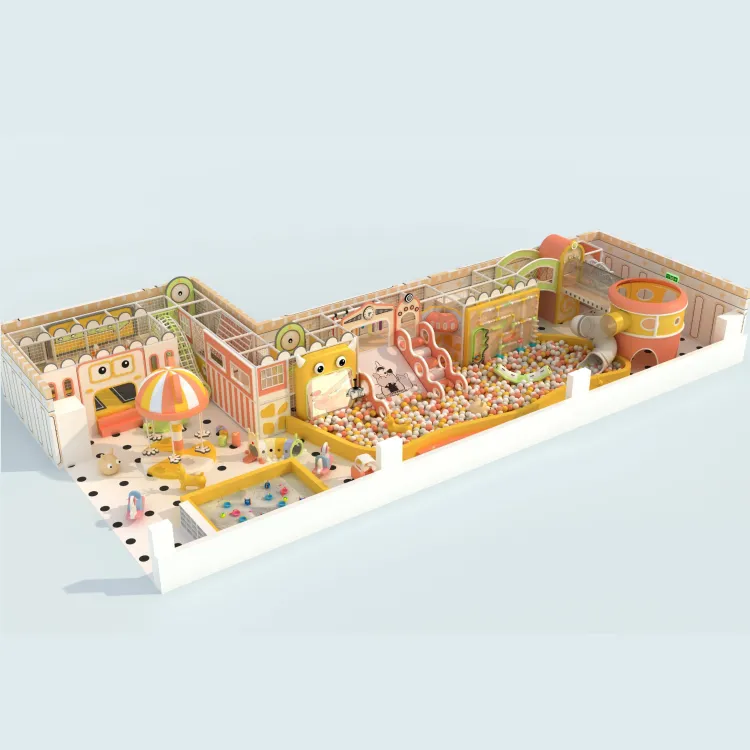
Operating a successful trampoline park requires careful selection of high-quality, durable equipment that ensures both safety and entertainment value for visitors. The recreational industry has experienced tremendous growth in recent years, with trampoline parks becoming increasingly popular destinations for families, fitness enthusiasts, and birthday party celebrations. Understanding the essential components that make up a comprehensive trampoline park facility is crucial for entrepreneurs and facility managers looking to create an engaging, profitable entertainment venue.
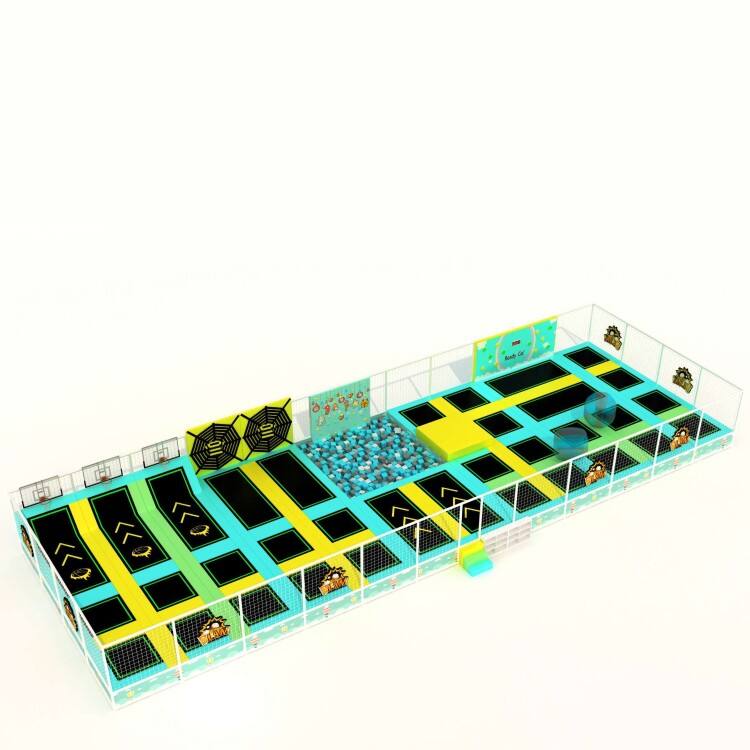
The foundation of any successful trampoline park lies in its equipment selection, safety protocols, and overall design philosophy. Modern facilities must balance excitement with risk management, incorporating state-of-the-art safety features while maintaining the fun factor that draws customers back repeatedly. Professional-grade equipment differs significantly from residential trampolines, requiring specialized manufacturing processes, enhanced durability standards, and comprehensive safety certifications to meet commercial insurance requirements and regulatory compliance standards.
Core Trampoline Systems and Safety Features
Professional Trampoline Beds and Frames
The centerpiece of any trampoline park consists of professional-grade trampoline beds designed specifically for commercial use. These units feature heavy-duty galvanized steel frames capable of withstanding thousands of jumps daily while maintaining structural integrity over years of operation. Premium trampoline park equipment incorporates reinforced welding points, corrosion-resistant coatings, and engineered weight distribution systems that ensure consistent bounce quality across the entire surface area.
Commercial trampoline beds utilize specialized polypropylene mesh materials that provide optimal bounce characteristics while maintaining UV resistance and tear strength. The fabric tension must be precisely calibrated to deliver the perfect balance between responsiveness and safety, preventing over-bouncing that could lead to injuries while ensuring sufficient spring action for an enjoyable experience. Professional installations require specific spacing configurations, with standardized dimensions that allow for seamless integration of multiple units into cohesive activity zones.
Protective Padding and Safety Barriers
Safety padding represents a critical component of comprehensive trampoline park design, protecting users from contact with frame edges, springs, and structural elements. High-quality padding systems feature dense foam cores encased in vinyl coverings that resist moisture, cleaning chemicals, and regular wear from foot traffic. The padding must completely cover all potential impact areas while maintaining secure attachment methods that prevent displacement during use.
Perimeter safety barriers extend upward from the trampoline edges, creating enclosed jumping areas that prevent users from accidentally bouncing off the equipment. These barriers typically range from six to twelve feet in height, depending on the specific application and age group served. Advanced barrier systems incorporate angled designs that deflect jumpers back toward the center of the trampoline rather than creating hard impact surfaces that could cause injury.
Specialized Activity Zones and Equipment
Foam Pit Integration Systems
Foam pits provide safe landing areas for more adventurous activities, allowing users to practice flips, aerial maneuvers, and other advanced techniques without the risk of hard landings. Professional foam pit construction requires proper excavation, drainage systems, and containment walls that maintain foam block organization while preventing moisture accumulation that could lead to hygiene issues or structural damage.
The foam blocks themselves must meet specific density and fire safety requirements, with antimicrobial treatments that prevent bacterial growth in the high-use environment. Pit depth calculations depend on the height of adjacent trampolines and the types of activities planned, with most commercial installations ranging from four to eight feet deep. Regular foam replacement schedules ensure optimal safety performance and maintain the attractive appearance that customers expect from premium facilities.
Dodgeball Courts and Interactive Games
Dedicated dodgeball courts add competitive elements that appeal to team-building events, birthday parties, and group activities. These specialized areas feature modified trampoline surfaces with lower bounce characteristics, safety barriers that contain balls within the playing area, and spectator viewing areas that enhance the entertainment value for non-participants. Court dimensions typically follow standardized layouts that accommodate various group sizes while maintaining clear sight lines for staff supervision.
Interactive game installations incorporate electronic scoring systems, target recognition technology, and programmable challenge sequences that keep users engaged for extended periods. These systems often include climbing walls with trampoline park equipment integration, allowing users to launch themselves toward climbing challenges or interactive display panels that respond to successful impacts.
Infrastructure and Support Systems
Ventilation and Climate Control
Proper ventilation systems are essential for maintaining comfortable conditions in high-activity environments where users generate significant heat and humidity through physical exertion. Commercial HVAC installations must account for the unique challenges of trampoline facilities, including high ceilings, open floor plans, and the need for consistent air circulation throughout large spaces without creating drafts that could affect jumping performance.
Air filtration systems require enhanced capacity to handle increased dust and debris from foam pits, fabric surfaces, and high foot traffic. Regular filter maintenance schedules and monitoring systems ensure optimal air quality while controlling operational costs. Temperature control becomes particularly important during peak usage periods when facility capacity reaches maximum levels and ambient heat generation can quickly exceed comfort thresholds.
Lighting and Sound Systems
Professional lighting installations must provide adequate illumination for safety while creating an exciting atmosphere that enhances the entertainment experience. LED systems offer energy efficiency and programmable color options that can adapt to different activities, special events, or time-of-day requirements. Lighting placement requires careful consideration of shadow elimination, glare reduction, and maintenance accessibility in high-ceiling environments.
Sound system integration supports background music, announcements, and interactive game audio while maintaining appropriate volume levels that allow for staff communication and emergency instructions. Acoustic treatments help control sound reflection and echo in large spaces with hard surfaces, creating more pleasant environments for both participants and staff members who spend extended periods in the facility.
Maintenance and Operational Considerations
Equipment Inspection Protocols
Daily inspection routines form the backbone of safe trampoline park operations, requiring systematic examination of all equipment components before facility opening. Inspection checklists should cover frame integrity, padding security, spring tension, fabric condition, and safety barrier stability. Staff training programs must emphasize the importance of thorough documentation and immediate reporting of any concerns that could affect user safety.
Professional maintenance schedules extend equipment lifespan while ensuring consistent safety standards throughout the operational period. Spring replacement intervals, padding rotation programs, and fabric tension adjustments require specialized knowledge and proper tools to maintain manufacturer specifications. Preventive maintenance costs significantly less than emergency repairs and helps avoid unexpected closures that impact revenue and customer satisfaction.
Staff Training and Safety Management
Comprehensive staff training programs ensure proper equipment usage, emergency response procedures, and customer interaction protocols that maintain safety while maximizing enjoyment. Training curricula should include equipment operation procedures, first aid certification, crowd management techniques, and age-appropriate activity supervision methods that account for varying skill levels and physical capabilities among users.
Safety management systems incorporate incident tracking, equipment performance monitoring, and continuous improvement processes that help identify potential issues before they become serious problems. Regular safety audits by qualified inspectors provide independent verification of operational standards and help maintain insurance compliance requirements that protect both the business and its customers.
Design Integration and Space Planning
Traffic Flow and Capacity Management
Effective space planning maximizes facility capacity while maintaining safe traffic patterns that prevent overcrowding in any single area. Zone-based designs allow for age-appropriate activity separation, with dedicated areas for different skill levels and activity types. Clear sight lines enable staff supervision across multiple zones simultaneously, while strategic placement of rest areas and spectator zones creates natural gathering points that don't interfere with active play areas.
Capacity calculations must account for peak usage periods, special events, and emergency evacuation requirements that ensure safe facility operations under all conditions. Entrance and exit procedures should facilitate efficient customer flow while allowing for safety briefings, waiver completion, and equipment checks that maintain operational standards without creating bottlenecks during busy periods.
Accessibility and Universal Design
Modern trampoline park designs increasingly incorporate accessibility features that welcome users with varying physical abilities and mobility requirements. Accessible entry points, viewing areas, and modified activity zones help create inclusive environments that serve broader community demographics while meeting regulatory compliance standards for public accommodations.
Universal design principles benefit all users by creating clearer navigation, improved safety features, and more comfortable facilities that enhance the overall experience. These considerations include appropriate lighting levels, clear signage systems, and rest areas that accommodate users who need breaks from high-intensity activities while remaining connected to the social aspects of group visits.
Frequently Asked Questions
What safety certifications should I look for when purchasing trampoline park equipment?
Look for equipment that meets ASTM International standards, specifically ASTM F24 Committee guidelines for amusement rides and devices. Additionally, ensure all components carry manufacturer warranties, third-party safety testing documentation, and compliance with local building codes and insurance requirements. Professional suppliers should provide comprehensive documentation including installation guidelines, maintenance schedules, and safety training materials to support proper facility operation.
How much space do I need for a basic trampoline park setup?
A minimum facility size of 6,000 to 8,000 square feet can accommodate a basic trampoline park layout with core activity areas, though successful commercial operations typically require 10,000 to 15,000 square feet or more. Ceiling heights should be at least 20 feet to ensure safe jumping clearance, with 24 feet or higher preferred for advanced activity areas. Space requirements also include reception areas, party rooms, restrooms, storage, and maintenance access that support daily operations.
What ongoing maintenance costs should I budget for trampoline park equipment?
Plan for approximately 3-5% of initial equipment investment annually for routine maintenance, parts replacement, and periodic upgrades. Major components like trampoline beds and springs typically require replacement every 3-5 years depending on usage levels, while padding and safety barriers may need attention every 1-2 years. Factor in professional inspection costs, staff training updates, and emergency repair reserves that help maintain consistent operations without unexpected financial burdens.
How do I ensure my trampoline park equipment meets insurance requirements?
Work with insurance providers early in the planning process to understand specific equipment standards, safety requirements, and operational protocols required for coverage. Most insurers require equipment manufactured to commercial standards, professional installation with certified technicians, comprehensive staff training programs, and documented maintenance procedures. Maintain detailed records of all inspections, repairs, and safety training activities that demonstrate ongoing commitment to risk management and regulatory compliance.
Table of Contents
- Core Trampoline Systems and Safety Features
- Specialized Activity Zones and Equipment
- Infrastructure and Support Systems
- Maintenance and Operational Considerations
- Design Integration and Space Planning
-
Frequently Asked Questions
- What safety certifications should I look for when purchasing trampoline park equipment?
- How much space do I need for a basic trampoline park setup?
- What ongoing maintenance costs should I budget for trampoline park equipment?
- How do I ensure my trampoline park equipment meets insurance requirements?