
 EN
EN
Operating a successful trampoline park requires more than just providing fun experiences for visitors. Safety must be the top priority for any facility owner, as it protects customers, reduces liability, and builds trust within the community. Implementing comprehensive trampoline park safety measures ensures that families can enjoy bouncing activities while minimizing the risk of accidents and injuries. From equipment maintenance to staff training, every aspect of your facility contributes to creating a secure environment where guests can focus on having fun rather than worrying about potential hazards.
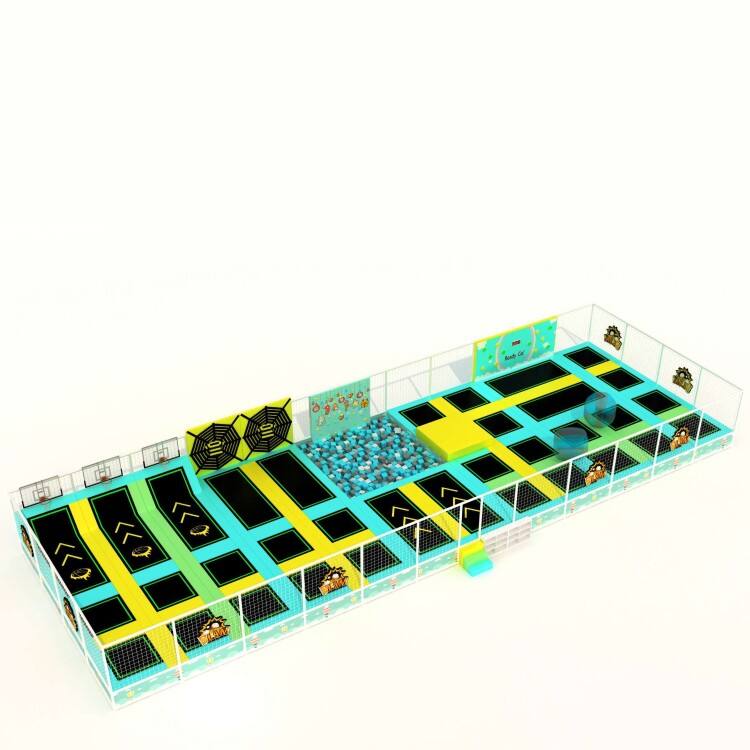
The trampoline park industry has experienced tremendous growth over the past decade, with facilities opening worldwide to meet increasing demand for active entertainment. However, this growth has also highlighted the critical importance of establishing robust safety protocols. Industry statistics show that proper safety measures can reduce accident rates by up to 85%, making the investment in comprehensive safety programs both ethically responsible and financially beneficial. Modern trampoline parks that prioritize safety not only protect their customers but also enjoy higher customer satisfaction rates, increased repeat visits, and stronger brand reputation in their local markets.
Essential Equipment Safety Standards
Professional Grade Trampoline Selection
Choosing high-quality trampolines forms the foundation of any effective safety program. Professional-grade equipment designed specifically for commercial use differs significantly from residential models in terms of durability, safety features, and weight capacity. Commercial trampolines feature reinforced frames, heavy-duty springs or elastic systems, and specialized safety padding that can withstand continuous use from multiple users throughout operating hours. The materials used in construction must meet or exceed industry standards for tensile strength, UV resistance, and flame retardancy to ensure long-term safety and performance.
When selecting equipment, facility owners should prioritize manufacturers who provide comprehensive testing data, safety certifications, and detailed maintenance guidelines. The best commercial trampolines incorporate advanced safety features such as rounded corners, seamless padding attachment systems, and progressive spring tension that provides consistent bounce characteristics across the entire surface. Additionally, professional installations should include proper anchoring systems that prevent equipment movement during use and ensure stable performance even under high-traffic conditions.
Regular Inspection and Maintenance Protocols
Establishing systematic inspection and maintenance schedules represents one of the most crucial aspects of trampoline park safety. Daily visual inspections should examine all equipment for signs of wear, damage, or potential hazards before opening to the public. Staff members trained in equipment assessment should check frame integrity, spring tension, padding condition, and net security as part of their opening procedures. Any equipment showing signs of excessive wear, loose connections, or structural damage must be immediately removed from service until professional repairs can be completed.
Weekly and monthly maintenance schedules should include more comprehensive examinations performed by qualified technicians. These deeper inspections involve checking bolt torque specifications, measuring spring extension rates, and testing safety net attachment points. Maintaining detailed maintenance logs helps identify patterns of wear and enables proactive replacement of components before they reach failure points. Professional maintenance contracts with qualified service providers ensure that complex repairs and major component replacements are performed according to manufacturer specifications and industry best practices.
Comprehensive Staff Training Programs
Safety Supervision Techniques
Well-trained staff members serve as the first line of defense in maintaining a safe trampoline park environment. Effective supervision requires more than simply watching customers bounce; it involves understanding proper jumping techniques, recognizing dangerous behaviors, and knowing how to intervene appropriately when safety issues arise. Staff training should cover proper positioning throughout the facility, communication techniques for managing groups of varying ages and skill levels, and procedures for enforcing safety rules consistently and fairly.
Supervisory staff must learn to identify signs of fatigue, overexertion, or inexperience that could lead to accidents. Training programs should include instruction on proper jumping form, safe landing techniques, and age-appropriate activities for different areas of the facility. Staff members need to understand when to provide guidance, when to restrict access to certain equipment, and how to manage capacity limits during peak hours. Regular training updates ensure that all team members stay current with evolving safety standards and best practices in the industry.
Emergency Response Procedures
Comprehensive emergency response training prepares staff to handle various incident types effectively and professionally. Training should cover basic first aid, CPR certification, and specific procedures for common trampoline-related injuries such as sprains, strains, and minor impact injuries. Staff members must understand when to provide immediate care, when to call emergency services, and how to properly document incidents for insurance and regulatory purposes.
Emergency response protocols should include clear communication procedures, crowd management techniques, and equipment shutdown processes. Staff training must emphasize the importance of remaining calm during emergencies while taking decisive action to protect injured individuals and other customers. Regular emergency drills help reinforce proper procedures and identify areas where response protocols may need refinement or additional training.
Customer Safety Education and Rules
Clear Safety Communication
Effective customer education begins before visitors enter the jumping areas and continues throughout their experience at the facility. Clear, visible signage should communicate safety rules using simple language and visual aids that are easily understood by customers of all ages and language backgrounds. Safety orientations should be engaging and informative rather than lengthy or intimidating, focusing on key behaviors that prevent the most common types of accidents.
Digital displays, instructional videos, and interactive demonstrations can help reinforce safety messages in memorable ways. Trampoline park safety education should emphasize proper jumping techniques, appropriate behavior for different activity zones, and the importance of listening to staff instructions. Regular reminders throughout the facility help maintain safety awareness, especially during extended visits when initial instructions may be forgotten.
Age-Appropriate Activity Zones
Designing and maintaining age-appropriate activity zones helps reduce conflicts between users of different sizes, skill levels, and ages. Separate areas for toddlers, children, teens, and adults allow each group to enjoy activities suited to their physical capabilities while minimizing collision risks. Clear boundaries between zones, combined with staff supervision and customer education, help maintain appropriate separation during busy periods.
Zone-specific rules should address unique safety considerations for each age group, such as limited bounce heights for younger children or advanced technique requirements for specialized equipment. Staff training must include understanding the developmental capabilities of different age groups and how to communicate safety expectations appropriately. Regular assessment of zone effectiveness helps identify when modifications may be needed to improve safety or accommodate changing customer demographics.
Facility Design and Environmental Safety
Proper Layout and Spacing
Strategic facility design plays a crucial role in preventing accidents and ensuring safe customer flow throughout the space. Adequate spacing between trampolines prevents collisions between users and provides clear pathways for staff supervision and emergency access. Professional design considerations include sight lines for effective monitoring, appropriate ceiling heights for safe jumping, and logical traffic patterns that prevent congestion in high-use areas.
Environmental factors such as lighting, ventilation, and temperature control contribute significantly to overall safety. Consistent, glare-free lighting helps users maintain spatial awareness and judge distances accurately. Proper ventilation prevents overheating and maintains air quality, while temperature control ensures comfortable conditions that reduce fatigue and maintain focus. Sound management through acoustic design helps maintain communication between staff and customers while preventing noise-induced stress or distraction.
Safety Padding and Protective Barriers
High-quality safety padding serves as the primary protection against impact injuries when customers land near trampoline edges or structural elements. Commercial-grade padding must provide adequate thickness and density to absorb impact energy effectively while maintaining durability under constant use. Proper installation techniques ensure that padding remains securely attached and provides consistent protection throughout its service life.
Protective barriers such as safety nets and foam pit systems require careful design and maintenance to function effectively. Net systems must be properly tensioned and securely anchored to prevent deflection that could allow customers to contact hard surfaces. Foam pit maintenance involves regular cleaning, foam block replacement, and safety inspections to ensure adequate depth and proper foam distribution. All protective systems should be designed with redundancy in mind, providing multiple layers of protection against potential failures.
FAQ
What are the most important daily safety checks for trampoline park operators?
Daily safety checks should include visual inspection of all trampoline surfaces for tears or excessive wear, verification of safety padding placement and condition, testing of safety net tension and attachment points, and examination of all structural components for loose bolts or damage. Staff should also check that all safety signage is visible and legible, emergency equipment is accessible and functional, and activity zones are properly marked and clear of debris.
How often should professional maintenance be performed on commercial trampoline equipment?
Professional maintenance schedules vary by manufacturer and usage levels, but most commercial trampoline systems require monthly professional inspections and quarterly comprehensive maintenance. High-usage facilities may need more frequent attention, while seasonal facilities might adjust schedules based on operating periods. The key is establishing consistent schedules based on manufacturer recommendations and documented usage patterns rather than waiting for visible problems to appear.
What qualifications should trampoline park safety supervisors have?
Safety supervisors should possess current CPR and first aid certifications, complete manufacturer-specific equipment training, and demonstrate strong communication skills for managing diverse customer groups. Many facilities require supervisors to complete specialized trampoline park safety courses offered by industry organizations. Physical fitness requirements may apply since supervisors need to respond quickly to incidents and demonstrate proper techniques when necessary.
How can facility owners minimize liability risks while maintaining an enjoyable customer experience?
Balancing safety and fun requires comprehensive risk management including proper insurance coverage, detailed safety documentation, consistent rule enforcement, and regular staff training updates. Clear waivers and safety agreements help establish customer responsibility while transparent safety policies build trust. The key is creating an environment where safety measures enhance rather than detract from the customer experience through professional implementation and positive staff attitudes.
Table of Contents
- Essential Equipment Safety Standards
- Comprehensive Staff Training Programs
- Customer Safety Education and Rules
- Facility Design and Environmental Safety
-
FAQ
- What are the most important daily safety checks for trampoline park operators?
- How often should professional maintenance be performed on commercial trampoline equipment?
- What qualifications should trampoline park safety supervisors have?
- How can facility owners minimize liability risks while maintaining an enjoyable customer experience?