
 EN
EN
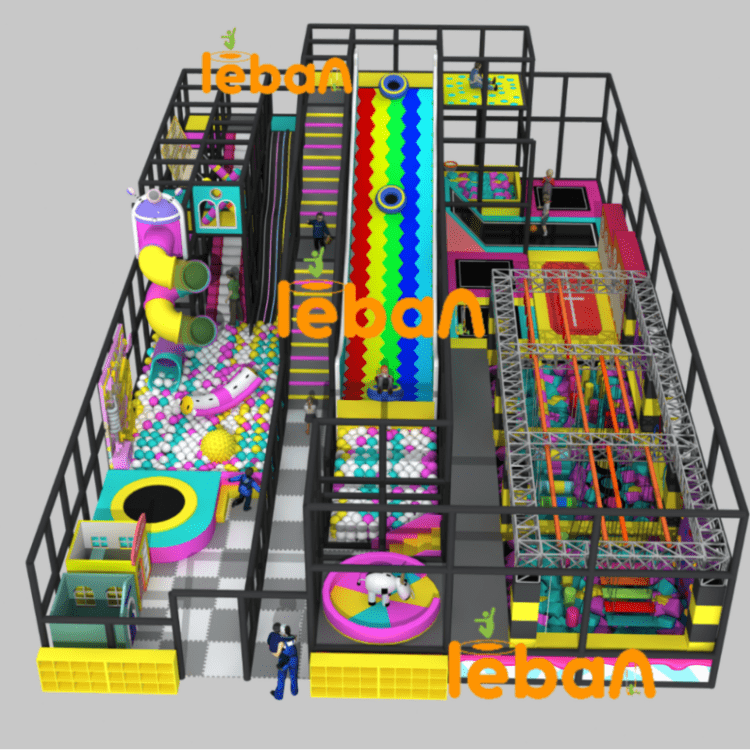
Opening a trampoline park represents one of the most exciting and profitable ventures in the modern entertainment industry. These dynamic recreational facilities have transformed from simple backyard equipment into sophisticated commercial enterprises that attract millions of visitors annually. A well-designed trampoline park combines athletic activity, social interaction, and pure fun into an experience that appeals to customers across all age groups. The growing popularity of indoor entertainment options has made trampoline parks increasingly attractive investment opportunities for entrepreneurs seeking to capitalize on the family entertainment sector.
Establishing a successful trampoline park requires careful planning, strategic location selection, and comprehensive understanding of safety regulations. The process involves multiple phases, from initial concept development through grand opening, each demanding specific expertise and attention to detail. Modern trampoline park facilities incorporate advanced safety features, innovative design elements, and diverse activity zones that create memorable experiences for visitors while ensuring operational efficiency and profitability.
The trampoline park industry has experienced remarkable growth over the past decade, with market research indicating continued expansion driven by increasing consumer demand for active entertainment options. This growth trajectory presents substantial opportunities for investors and operators who understand the key success factors in developing and managing these specialized facilities. Understanding market dynamics, customer preferences, and operational requirements forms the foundation for creating a thriving trampoline park business.
Market Research and Business Planning
Understanding Your Target Market
Successful trampoline park development begins with comprehensive market analysis that identifies your primary customer demographics and their specific needs. Family groups with children aged 5-15 typically represent the core customer base, though many facilities successfully attract teenagers, young adults, and fitness enthusiasts through specialized programming. Understanding local population density, household income levels, and existing entertainment options helps determine optimal facility size, pricing strategies, and service offerings that resonate with your target market.
Market research should also examine seasonal trends, peak usage times, and competitive landscape within your geographic area. This analysis reveals opportunities for differentiation and helps identify potential challenges that could impact business performance. Demographic studies often reveal untapped market segments, such as corporate team-building groups or birthday party organizers, that can provide additional revenue streams beyond general admission sales.
Financial Planning and Investment Requirements
Developing a comprehensive financial plan requires detailed cost analysis covering equipment procurement, facility preparation, staffing, insurance, and ongoing operational expenses. Initial investment typically ranges from several hundred thousand to over one million dollars, depending on facility size, location, and equipment specifications. Creating realistic financial projections helps secure funding and establishes performance benchmarks for measuring business success.
Revenue projections should account for multiple income sources including general admission, birthday parties, group events, concession sales, and additional services like trampoline fitness classes. Understanding seasonal variations, marketing costs, and competitive pricing ensures financial models accurately reflect market realities and support sustainable business operations. Professional financial consultation often proves invaluable in developing robust business plans that attract investors and lenders.
Location Selection and Facility Design
Choosing the Optimal Location
Location selection significantly impacts trampoline park success, requiring careful evaluation of visibility, accessibility, parking availability, and proximity to target demographics. High-traffic areas near shopping centers, family entertainment districts, or residential neighborhoods often provide optimal customer access and convenience. Facility requirements typically include minimum ceiling heights of 18-24 feet, adequate floor space for activity zones, and proper ventilation systems to maintain comfortable operating conditions.
Zoning regulations, building codes, and municipal permits must be thoroughly investigated before finalizing location decisions. Some jurisdictions have specific requirements for entertainment facilities, including special use permits, fire safety compliance, and accessibility standards. Early engagement with local authorities streamlines the approval process and prevents costly delays during development phases.
Interior Layout and Zone Configuration
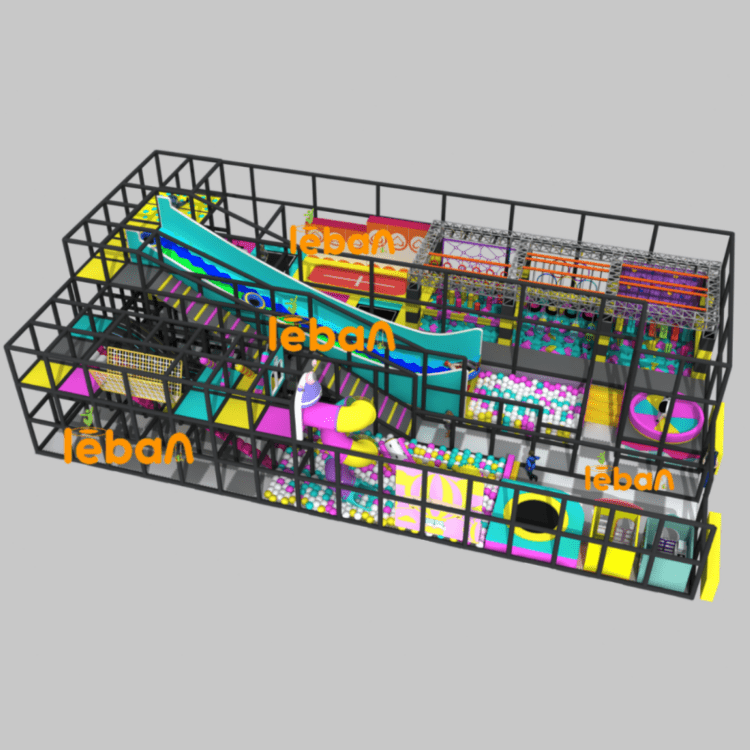
Effective facility design maximizes available space while creating distinct activity zones that cater to different age groups and activity preferences. Open jump areas provide free-form bouncing opportunities, while specialized zones like dodgeball courts, foam pits, and basketball dunk areas add variety and excitement. Strategic layout design ensures smooth traffic flow, minimizes congestion, and creates clear sightlines for staff supervision and customer safety monitoring.
Design considerations should include spectator areas for parents and guardians, party rooms for private events, concession areas, and adequate restroom facilities. Professional designers experienced in trampoline park development can optimize space utilization while ensuring compliance with safety standards and operational efficiency requirements.
Equipment Selection and Safety Standards
Trampoline Equipment Specifications
High-quality trampoline equipment forms the foundation of any successful facility, requiring careful selection based on safety ratings, durability specifications, and manufacturer reputation. Professional-grade trampolines feature heavy-duty frames, premium jumping surfaces, and comprehensive safety padding systems designed to withstand intensive commercial use. Equipment specifications should meet or exceed industry safety standards established by organizations like the International Association of Trampoline Parks.
Installation requirements vary significantly based on equipment types and facility layout, often necessitating specialized contractors with trampoline park experience. Proper installation ensures optimal performance, longevity, and safety compliance while minimizing future maintenance requirements. Regular equipment inspections and preventive maintenance programs protect customer safety and preserve equipment investments over time.
Safety System Implementation
Comprehensive safety systems encompass equipment design, facility layout, operational procedures, and staff training programs that work together to minimize injury risks and create secure environments for all visitors. Safety padding, protective barriers, and clear signage help prevent accidents while emergency response procedures ensure appropriate actions during incidents. Many successful facilities implement wristband systems or electronic monitoring to track visitor activity and enforce safety rules consistently.
Staff training programs should cover emergency procedures, first aid certification, customer interaction protocols, and equipment operation guidelines. Well-trained staff members serve as the first line of defense in maintaining safe operating conditions while providing positive customer experiences that encourage repeat visits and positive word-of-mouth marketing.
Operational Management and Staffing
Staffing Structure and Training Programs
Effective staffing structures typically include management personnel, court monitors, front desk staff, party hosts, and maintenance technicians, each requiring specific skills and training appropriate to their responsibilities. Court monitors need strong communication skills, safety awareness, and ability to engage positively with customers while enforcing facility rules. Management personnel require business operations experience, customer service expertise, and leadership capabilities to coordinate daily activities and resolve operational challenges.
Comprehensive training programs ensure all staff members understand safety protocols, customer service standards, and emergency procedures before beginning independent work assignments. Ongoing training updates keep staff current with industry best practices while building team cohesion and professional development opportunities that reduce turnover and improve service quality.
Daily Operations and Customer Management
Efficient daily operations require structured procedures for customer check-in, safety briefings, activity supervision, and facility maintenance that create smooth experiences while maintaining safety standards. Point-of-sale systems, reservation management software, and customer database tools streamline administrative tasks while providing valuable insights into customer preferences and business performance metrics.
Peak hour management strategies help accommodate high customer volumes while maintaining service quality and safety standards. Reservation systems, timed sessions, and capacity limits prevent overcrowding while maximizing revenue opportunities during popular time periods. Customer feedback systems provide valuable insights for continuous improvement initiatives that enhance satisfaction and loyalty.
Marketing and Customer Acquisition
Digital Marketing Strategies
Digital marketing approaches for trampoline park facilities should leverage social media platforms, search engine optimization, and online advertising to reach target demographics effectively. Visual content showcasing fun activities, birthday parties, and customer experiences resonates strongly with families seeking entertainment options. Local search optimization ensures your facility appears prominently when potential customers search for trampoline park options in your area.
Email marketing campaigns, loyalty programs, and referral incentives help build customer relationships while encouraging repeat visits and word-of-mouth promotion. Seasonal promotions, group discounts, and special events create excitement and drive traffic during typically slower periods. Professional photography and video content highlight facility features and activities while building brand recognition in your market area.
Community Engagement and Partnerships
Building strong community connections through school partnerships, youth organization relationships, and local business collaborations creates sustainable customer pipelines while establishing your facility as a valued community resource. Educational field trips, fundraising events, and youth sports team activities provide regular booking opportunities while demonstrating community commitment.
Strategic partnerships with complementary businesses like restaurants, retail stores, or other entertainment venues can create cross-promotional opportunities that benefit all participating businesses. Joint marketing campaigns, package deals, and referral programs expand customer reach while reducing individual marketing costs through shared promotional efforts.
FAQ
What are the typical startup costs for opening a trampoline park
Startup costs for trampoline park facilities typically range from $500,000 to $1,500,000, depending on facility size, location, and equipment specifications. Major cost categories include equipment purchase and installation, facility renovation, initial marketing, insurance, permits, and working capital for initial operations. Professional consultation during planning phases helps optimize budget allocation while ensuring all necessary expenses are properly accounted for in financial projections.
How much space is required for a successful trampoline park operation
Successful trampoline park facilities typically require between 15,000 and 35,000 square feet of floor space, with ceiling heights of at least 18-24 feet to accommodate jumping activities safely. Larger facilities can support more diverse activity zones and higher customer capacity, while smaller facilities may focus on specific market segments or specialized programming. Space requirements should account for activity areas, spectator zones, party rooms, concessions, restrooms, and administrative offices.
What insurance coverage is necessary for trampoline park operations
Comprehensive insurance coverage for trampoline park operations should include general liability, property insurance, workers compensation, and specialized recreation facility coverage that addresses unique risks associated with bouncing activities. Many insurers require specific safety protocols, staff training certifications, and equipment maintenance procedures as conditions of coverage. Working with insurance professionals experienced in recreation facility coverage ensures appropriate protection while meeting industry standards and regulatory requirements.
How long does the typical development timeline take from concept to opening
Development timelines for trampoline park projects typically span 6-12 months from initial planning through grand opening, depending on location selection, permit approval processes, construction requirements, and equipment installation complexity. Factors that can extend timelines include zoning approvals, building code compliance, custom construction needs, and equipment delivery schedules. Early engagement with contractors, suppliers, and regulatory authorities helps streamline development processes and minimize potential delays that could impact opening schedules.