
 EN
EN
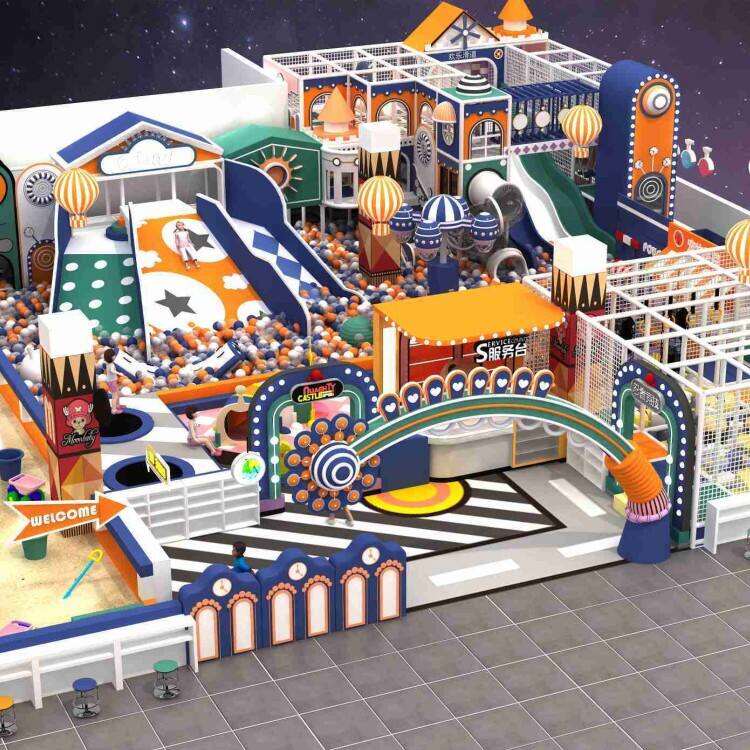
Summer entertainment has evolved significantly over the decades, with backyard water activities becoming increasingly popular among families seeking fun and refreshing ways to beat the heat. Among the most exciting options available today, the Inflatable Slip and Slide has emerged as a game-changing alternative to traditional playground slides, offering unique advantages that make outdoor gatherings more memorable and engaging.
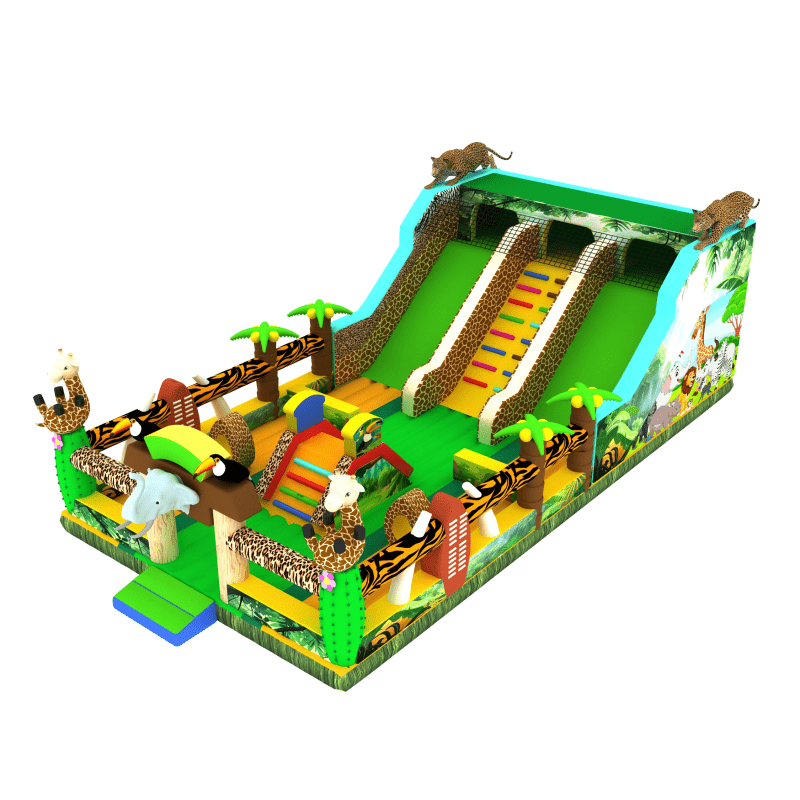
The choice between inflatable and traditional slides involves multiple considerations, from safety features and setup requirements to long-term durability and entertainment value. Understanding these differences helps families and event organizers make informed decisions that align with their specific needs, budget constraints, and safety priorities. Modern manufacturing techniques have revolutionized both categories, introducing innovative materials and designs that enhance user experience while maintaining high safety standards.
Safety Comparison Between Inflatable and Traditional Slides
Impact Absorption and Injury Prevention
The Inflatable Slip and Slide offers superior impact absorption compared to traditional rigid slides, thanks to its air-filled construction that provides cushioning throughout the entire sliding surface. This soft landing capability significantly reduces the risk of bruises, cuts, and more serious injuries that can occur when children slide down hard plastic or metal surfaces. The inflatable design distributes weight evenly, minimizing pressure points that might cause discomfort during extended play sessions.
Traditional slides, while meeting established safety standards, present inherent risks associated with rigid materials and fixed structures. Falls from traditional slides often result in more severe injuries due to the unforgiving nature of hard surfaces and the lack of cushioning around the slide area. The height factor in traditional playground equipment also increases potential injury severity, making supervision and safety protocols more critical.
Water-Related Safety Considerations
Water activities with an Inflatable Slip and Slide introduce specific safety considerations that require proper supervision and maintenance protocols. The continuous water flow creates slippery conditions that can increase sliding speed, making it essential to ensure adequate space at the bottom for safe deceleration. Proper water pressure management prevents excessive speed while maintaining the fun sliding experience that users expect.
Traditional dry slides eliminate water-related safety concerns but may present different challenges, such as static electricity buildup and increased friction that can cause burns on hot summer days. The absence of water means users must rely on natural momentum, which can sometimes result in getting stuck midway down the slide, particularly for lighter children or when wearing certain clothing materials.
Installation and Setup Requirements
Time and Effort Investment
Setting up an Inflatable Slip and Slide requires minimal time investment, typically taking between fifteen to thirty minutes depending on the model size and complexity. The process involves unfolding the inflatable structure, connecting it to an air blower, and attaching water hoses for continuous flow. This quick setup makes inflatable options ideal for spontaneous gatherings or events with tight preparation schedules.
Traditional slide installation demands significantly more time, planning, and often professional assistance for permanent installations. The process includes site preparation, foundation work, assembly of multiple components, and safety inspections. Even portable traditional slides require careful assembly and positioning to ensure stability and safety, making them less suitable for quick setup situations.
Space and Location Flexibility
The Inflatable Slip and Slide offers remarkable versatility in placement options, adapting to various yard sizes and terrain conditions. These units can be positioned on grass, sand, or other soft surfaces, requiring only sufficient space for the slide length and adequate water drainage. The lightweight nature of inflatable slides allows for easy repositioning throughout the day to optimize sun exposure or wind conditions.
Traditional slides typically require permanent or semi-permanent installation with specific ground preparation and safety zone requirements. The fixed nature of these structures limits placement flexibility and may not accommodate changing landscape or usage needs. Additionally, traditional slides often require level ground and professional installation to ensure proper safety standards are met.
Durability and Maintenance Factors
Material Longevity and Weather Resistance
Modern Inflatable Slip and Slide products utilize advanced PVC and vinyl materials designed to withstand regular use and various weather conditions. These materials resist punctures, tears, and UV damage when properly maintained, though they require more careful handling than traditional slide materials. The inflatable nature means repairs are possible for minor damage, extending the product lifespan with proper maintenance protocols.
Traditional slides constructed from high-quality plastic, metal, or composite materials typically offer superior long-term durability, withstanding years of use with minimal degradation. These materials resist weather extremes, UV radiation, and physical impact better than inflatable alternatives. However, repair options for traditional slides are limited, often requiring complete component replacement when damage occurs.
Storage and Seasonal Considerations
An Inflatable Slip and Slide provides excellent storage advantages, deflating to a compact size that fits in standard closets or garage spaces. This space-saving capability makes inflatable options ideal for families with limited storage areas or those who prefer to store outdoor equipment indoors during off-seasons. Proper cleaning and drying before storage prevents mold and material degradation.
Traditional slides require significant storage space or must remain permanently installed in outdoor locations. Portable traditional slides, while smaller than permanent installations, still occupy considerable storage space compared to deflated inflatables. Year-round exposure to weather elements can accelerate wear and require more frequent maintenance to preserve appearance and safety.
Entertainment Value and User Experience
Fun Factor and Engagement Levels
The water element in an Inflatable Slip and Slide creates an enhanced entertainment experience that combines sliding excitement with refreshing water play. This dual-purpose design extends play sessions and maintains user interest longer than traditional dry slides. The splash zones and water features integrated into many inflatable designs add variety and excitement that appeals to different age groups and play preferences.
Traditional slides provide consistent, predictable entertainment that many children find appealing due to familiarity and reliability. The controlled sliding experience allows for skill development and confidence building without variables like water flow affecting the experience. Some children prefer the straightforward nature of traditional slides, finding them less overwhelming than water-based alternatives.
Social Interaction and Group Play
Large Inflatable Slip and Slide models accommodate multiple users simultaneously, promoting social interaction and group play activities. These designs often include multiple sliding lanes, climbing areas, and splash pools that encourage cooperative play and friendly competition. The spacious nature of many inflatable designs creates opportunities for creative play scenarios beyond simple sliding.
Traditional slides typically accommodate one user at a time, creating natural turn-taking opportunities that teach patience and sharing skills. While this limits simultaneous play, it ensures each child receives focused attention and can develop confidence without peer pressure. The individual nature of traditional slide use allows for personal achievement recognition and skill progression tracking.
Cost Analysis and Budget Considerations
Initial Investment Requirements
Purchasing an Inflatable Slip and Slide typically requires a moderate initial investment ranging from affordable basic models to premium commercial-grade units. The cost varies significantly based on size, features, and material quality, with most residential models falling within reasonable family entertainment budgets. Additional costs include electric blower operation and water usage during play sessions.
Traditional slide costs vary dramatically between portable and permanent installation options, with professional installation adding significant expense to permanent structures. High-quality traditional slides represent substantial investments but offer long-term value through extended lifespan and minimal operating costs. The absence of ongoing utility costs makes traditional slides more economical for frequent use over many years.
Long-Term Value Proposition
The Inflatable Slip and Slide provides excellent short to medium-term value, particularly for families seeking seasonal entertainment options. The relatively lower initial cost combined with high entertainment value creates an attractive value proposition for occasional use. However, replacement costs over time should be considered when evaluating long-term investment value.
Traditional slides offer superior long-term value for families planning extended use over many years. The higher initial investment spreads across decades of use, creating excellent cost-per-use ratios for active families. The minimal maintenance requirements and absence of operating costs make traditional slides economically attractive for long-term installations.
Environmental Impact and Sustainability
Resource Consumption During Use
Operating an Inflatable Slip and Slide requires continuous electricity for the air blower and substantial water consumption to maintain proper sliding conditions. These resource requirements create ongoing environmental impact throughout the use period. Water usage can be optimized through recirculation systems and responsible play practices that minimize waste while maintaining safety standards.
Traditional slides consume no resources during operation, making them environmentally friendly choices for families concerned about ongoing resource usage. The passive nature of traditional slides eliminates utility costs and resource consumption, though initial manufacturing and installation may involve significant material and energy investment.
End-of-Life Considerations
Inflatable Slip and Slide products face recycling challenges due to mixed materials and PVC construction, though some manufacturers offer take-back programs for end-of-life products. The relatively shorter lifespan of inflatable products means more frequent replacement cycles, potentially increasing overall environmental impact through repeated manufacturing and disposal.
Traditional slides constructed from recyclable materials offer better end-of-life environmental outcomes, with metal and some plastic components easily processed through standard recycling programs. The extended lifespan reduces replacement frequency, minimizing cumulative environmental impact through reduced manufacturing demand and waste generation.
FAQ
How long does a typical Inflatable Slip and Slide last with regular use
With proper care and maintenance, a quality Inflatable Slip and Slide can last between three to seven years depending on usage frequency, storage practices, and material quality. Regular cleaning, proper drying before storage, and avoiding sharp objects extend lifespan significantly. Commercial-grade units typically last longer than residential models due to reinforced construction and premium materials.
What maintenance is required for both slide types
Inflatable slides require regular cleaning with mild soap, thorough drying before storage, periodic inspection for damage, and proper inflation pressure monitoring. Traditional slides need occasional cleaning, hardware tightening, and inspection for wear or damage. Both types benefit from seasonal deep cleaning and safety inspections before each use period.
Can inflatable slides be used without water
While some Inflatable Slip and Slide models can function without water, most are specifically designed for water use and may not provide safe or enjoyable experiences when dry. The materials and surface textures are optimized for wet sliding, and dry use may increase friction, reduce sliding effectiveness, and potentially cause material damage or user discomfort.
Which option is better for different age groups
Inflatable Slip and Slide products work well for children aged 3-12, with larger models accommodating teens and adults. Traditional slides suit all ages when properly sized, offering consistent experiences regardless of weather conditions. Consider supervision requirements, safety features, and size appropriateness when selecting either option for specific age groups or mixed-age gatherings.